
Pigeon Pose
Eka Pada Rajakapotasana
Pigeon Pose (Eka Pada Rajakapotasana, meaning "one-legged king pigeon posture" in Sanskrit) is widely considered the most potent hip opener in yoga, targeting the piriformis, glutes, and outer hip with a sustained intensity that few other postures match. The hips are understood in yoga and somatic bodywork as a primary site of stored tension: the psoas and surrounding muscles are deeply connected to the stress response, and releasing them can feel as much emotional as physical. Long holds in Pigeon Pose, particularly in the forward-folded variation, can produce a profound sense of release that practitioners often describe as one of the most significant experiences in their entire practice. It is a pose that rewards patience and gentleness far more than force.
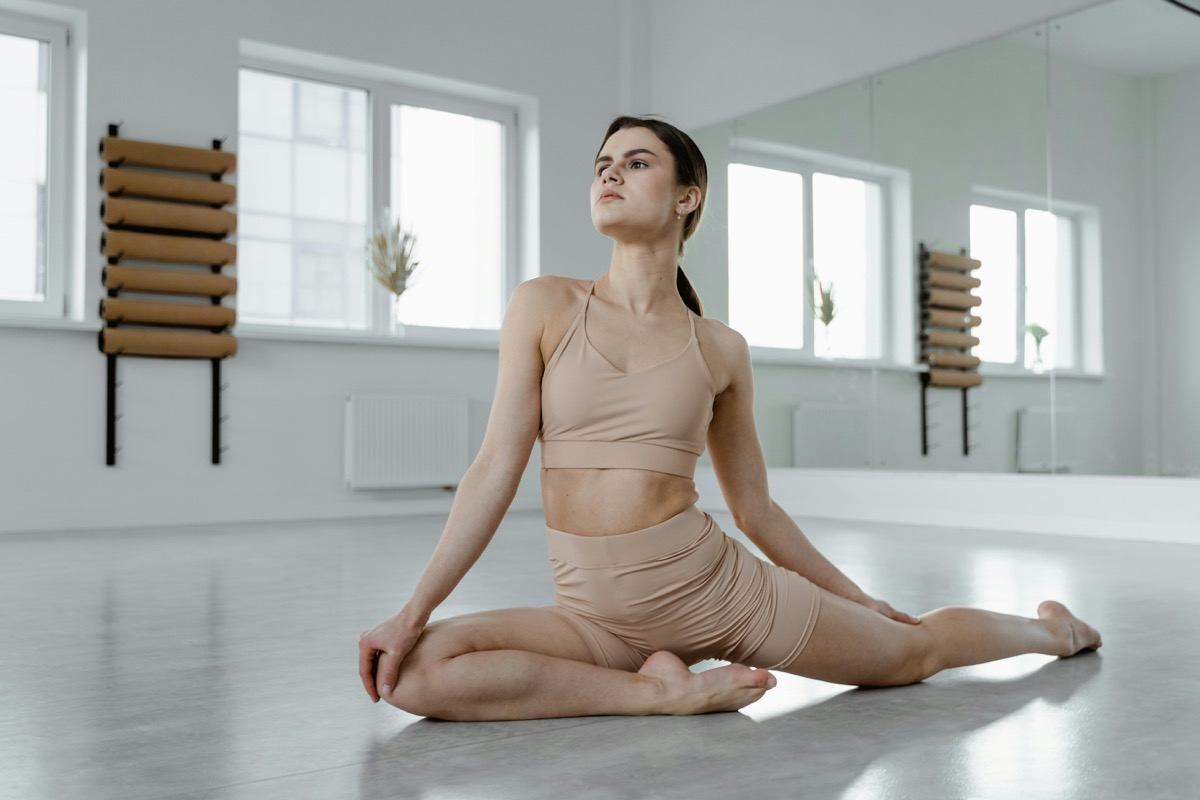
Benefits
- Deeply opens the hips, groin, and outer thighs
- Stretches the psoas and hip flexors
- Relieves sciatic pain by releasing the piriformis
- Counters the effects of prolonged sitting
- Encourages emotional release held in the hip area
Step-by-Step Instructions
- 1
From Downward Dog, bring your right knee toward your right wrist.
- 2
Lower your right shin toward parallel with the front of the mat (as much as comfortable).
- 3
Extend your left leg long behind you, top of the foot on the mat.
- 4
Square your hips toward the front of the mat.
- 5
Inhale to sit tall; exhale to fold forward, resting your forehead on your hands or the mat.
- 6
Breathe deeply into the right hip, holding for 5–10 breaths.
- 7
Press back to Downward Dog and repeat on the left.
Common Mistakes to Avoid
Collapsing onto one side: keep the hips as level as possible
Forcing the front shin parallel: work with your range of motion
Holding tension in the face and shoulders: let everything soften
Modifications & Variations
Place a folded blanket under the right hip for support
Practice Reclined Pigeon (Figure 4) on your back as a gentler alternative
Safety Notes
⚠Knee or hip injury
⚠SI joint dysfunction: proceed with caution


